Happy birthday to seven wildly different but equally intriguing titles that hit shelves yesterday from the Overlook warehouses. We hope you all grow up to be bestsellers! Or at least find wonderful homes with people who will love you as much as we do.
Looking for reading material or getting a jump-start on your holiday shopping? This might be the perfect place to start. Our very newest titles:
 FORBIDDEN PLACES, by Penny Vincenzi:
 The "doyenne of the modern blockbuster" (
Glamour) is back with another historical romance--this time set in World War II-era England. Three women find their lives and relationships--with their husbands and each other--forever changed by war. (My grandmother, a huge Penny fan, thinks this is her best book since
No Angel. I trust her expert opinion!).
 THE GENIUS OF DESIGN, by Penny Sparke:
 The modern history of design told by renowned professor Penny Sparke. This comprehensive tome focuses on design as both a process and product of industry, with numerous illustrations. Even if you're not an industrial designer, this is a completely new way of looking at the world surrounding you and the designers who influence it.
 MARITIME DOMINION: NAVAL CAMPAIGNS THAT SHAPED THE MODERN WORLD, by Peter Padfield:
 Perhaps the greatest naval historian of our day, Peter Padfield explores the difference between land power and sea power and how strong navies have shaped the histories of smaller merchant countries. This volume focuses on 1850 through the present, looking at how the U.S. stepped into the void of naval power in the 20th century. Fascinating and tightly focused military history.
 WALLPAPER: THE ULTIMATE GUIDE, by Charlotte Abrahams:
 300 years of wall-covering history in one outstandingly gorgeous and richly textured book. As interior designers (both professional and amateur!) see its resurgent popularity, learn about what's happening in the design world now, the history of styles and trends, key designers and manufacturers of wallpaper, and how to use each type of wallpaper in a variety of ways to achieve different affects. (We think this might be the most beautiful book Overlook has ever produced. We love it!)
 THE BOOK OF ENGLISH MAGIC, by Philip Carr-Gomm & Richard Heygate:
 Looking for a Hogwarts-style reading list in time for the Halloween season and the next Harry Potter movie? Look no further than modern druid Carr-Gomm's encylopedia to all things mystical on the British Isles. A comprehensive history and guide to the occult sciences in England, this is a tome that's both educational and entertaining and looks properly wizardly on one's shelf.
 WE WERE THERE: AN EYEWITNESS HISTORY OF THE TWENTIETH CENTURY, edited by Robert Fox:
 We love this testament to the personal impact the turning points of the 20th century had on the citizens who experienced them, told as a collection of first-person accounts by people including Orville Wright, George Orwell, Ernest Hemingway, Neil Armstrong, and Ernest Shackleton. (We also think it would make an excellent Christmas gift for parents or modern history buffs!)
 THE GILDED STAGE: A SOCIAL HISTORY OF OPERA, by Daniel Snowman:
 An absolute must-read for opera fans with beautiful illustrations, this global social history of the world's most romantic, flamboyant, glamorous and politically influential art-form and the passions it inspires is a wonderful survey of opera through the centuries.
All of these titles are on sale now. Check with your favorite indie bookstore for availability, or if you're a journalist or blogger looking for review copies,
email us!

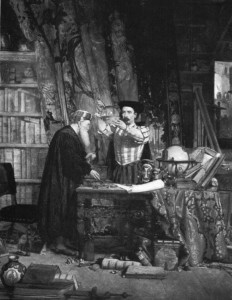 Here's a wonderful piece on one of our favorite history blogs, Wonders and Marvels, by the authors of THE BOOK OF ENGLISH MAGIC on alchemy. Philip Carr-Gomm and Sir Richard Heygate discuss this theme from their book here:


